
What you’ll actually pay for foundation repair
Most Texas homeowners who need foundation work end up paying somewhere between $3,500 and $15,000, with a typical single-side pier job landing around $4,500 to $9,000. Minor crack sealing can run as little as $300. A full lift on a large home with interior piers and plumbing tunneling can pass $30,000.
That is a wide range, and the spread is not contractors being arbitrary. It comes down to how many piers your house needs, whether they go on the outside or through your floors, and what the soil under you is doing. This guide breaks down what actually moves the number, what Texas-specific problems drive most of the work, and what the quote will not tell you.
Start here if…
- You noticed cracks after a drought or heavy rain — stay on this guide for Texas clay soil costs, methods, and what quotes leave out.
- You’re comparing pier quotes — use how to read a contractor bid so you compare pier count and exclusions, not just the total.
- You’re not sure if it’s cosmetic vs structural — start with Start Here and our repair guides hub before you commit to a full pier job.
Owned tools and guides only — we don’t sell foundation leads.
Foundation Repair Cost: Quick Overview
| Situation | Typical Texas cost |
|---|---|
| Hairline cracks, cosmetic sealing | $300 – $800 |
| Minor settling, a few exterior piers | $2,000 – $4,500 |
| Typical single-side pier job | $4,500 – $9,000 |
| Slab-on-grade, moderate to significant | $3,500 – $25,000 |
| Pier and beam repair | $5,000 – $15,000 |
| Major structural work, interior piers | $15,000 – $30,000+ |
| Full lift, large home | $75,000 – $125,000 |
Free: the Texas contractor bid checklist
Three printable pages: what a fair bid has to spell out, the red flags, and a worksheet for deciding whether a hail claim is worth filing. Download the PDF — no email needed.
Want a short email when Texas prices, codes or insurance rules change? Leave your address. No spam, we never sell your details, and you can unsubscribe any time.
Figures are 2026 estimates for Texas and are meant for budgeting, not as a quote. Get at least three bids before you commit to anything.
Estimate Your Foundation Repair Cost
Use the calculator below to get a rough range for your home before you start calling companies. Knowing the ballpark makes it much harder for anyone to talk you into a number that does not fit your situation.
Why Texas Foundations Move in the First Place
Texas sits on some of the most expansive clay soil in the country. Around Dallas-Fort Worth it is the Blackland Prairie belt; along the Gulf Coast it is Houston gumbo. That clay swells when it takes on water and shrinks when it dries out, and it can move several inches vertically through a single wet-to-dry cycle. If you’re in DFW, our Dallas–Fort Worth home repair guide covers each city’s foundation-watering rules and foundation-repair permits.
Add the state’s drought pattern and it gets worse. A dry summer pulls moisture out of the soil, the clay contracts, and the slab loses support in patches. Then the fall rain comes, the clay swells back, and the slab is pushed unevenly. Most Texas homes are slab-on-grade poured directly on that soil, so the house rides every cycle.
This is why foundation repair is close to routine maintenance in parts of Texas and nearly unheard of in states built on stable soil. It is also why the fix is almost never just concrete. If the water is not managed, the movement comes back.
- Large trees near the slab pull enormous amounts of moisture out of clay during a dry spell and create localized settling on that side of the house.
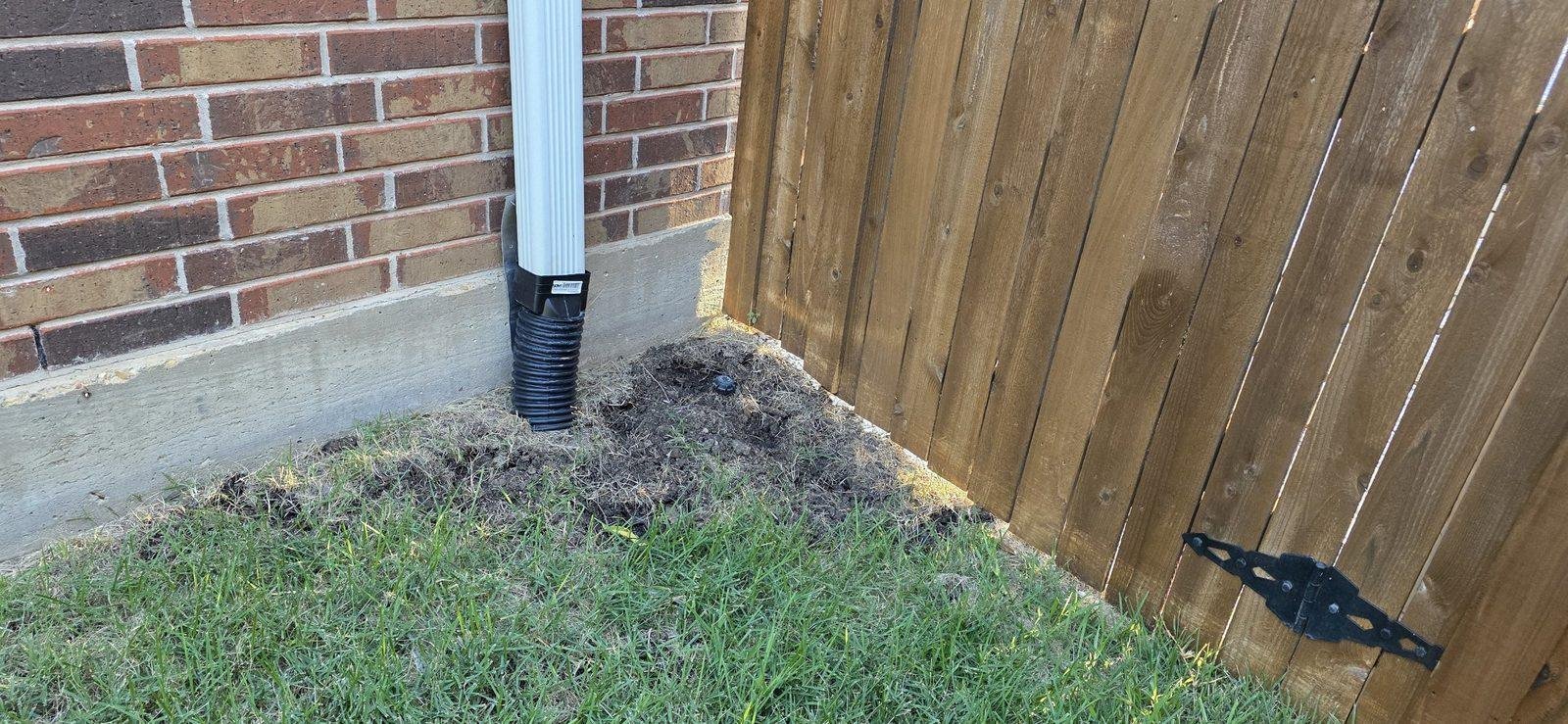
- Poor drainage and grading that lets roof runoff pool against the foundation soaks one area while the rest of the perimeter dries.
- Under-slab plumbing leaks saturate soil in one spot year-round and are a very common hidden cause in older Texas homes.
- Watering habits matter more than people expect — a soaker hose run consistently around the perimeter during drought is genuinely preventive.
Cost by Repair Method
Foundation work in Texas is usually priced per pier, so the method and the pier count together decide most of your bill.
| Method | Cost per pier (installed) | Best suited to |
|---|---|---|
| Pressed concrete piers | $1,000 – $1,800 | The Texas default. Driven in segments, cost-effective, well suited to slab homes in clay. |
| Steel push piers | $1,200 – $3,000 | Heavier homes, or where piers must reach load-bearing strata deeper than concrete can practically go. |
| Helical piers | $1,500 – $3,500 | Lighter structures, additions, pier-and-beam, and sites where access is tight. |
A typical Texas job runs 8 to 15 piers along one or two sides of the house. That is where the common $4,500 to $9,000 range comes from. Whole-perimeter work on a larger home can easily need 25 to 40 piers.
Two other line items show up often and are priced separately:
- Slab leveling / mudjacking or polyurethane foam — used to raise sunken concrete such as a patio, driveway or garage slab rather than the house itself. Usually a few hundred to a few thousand dollars.
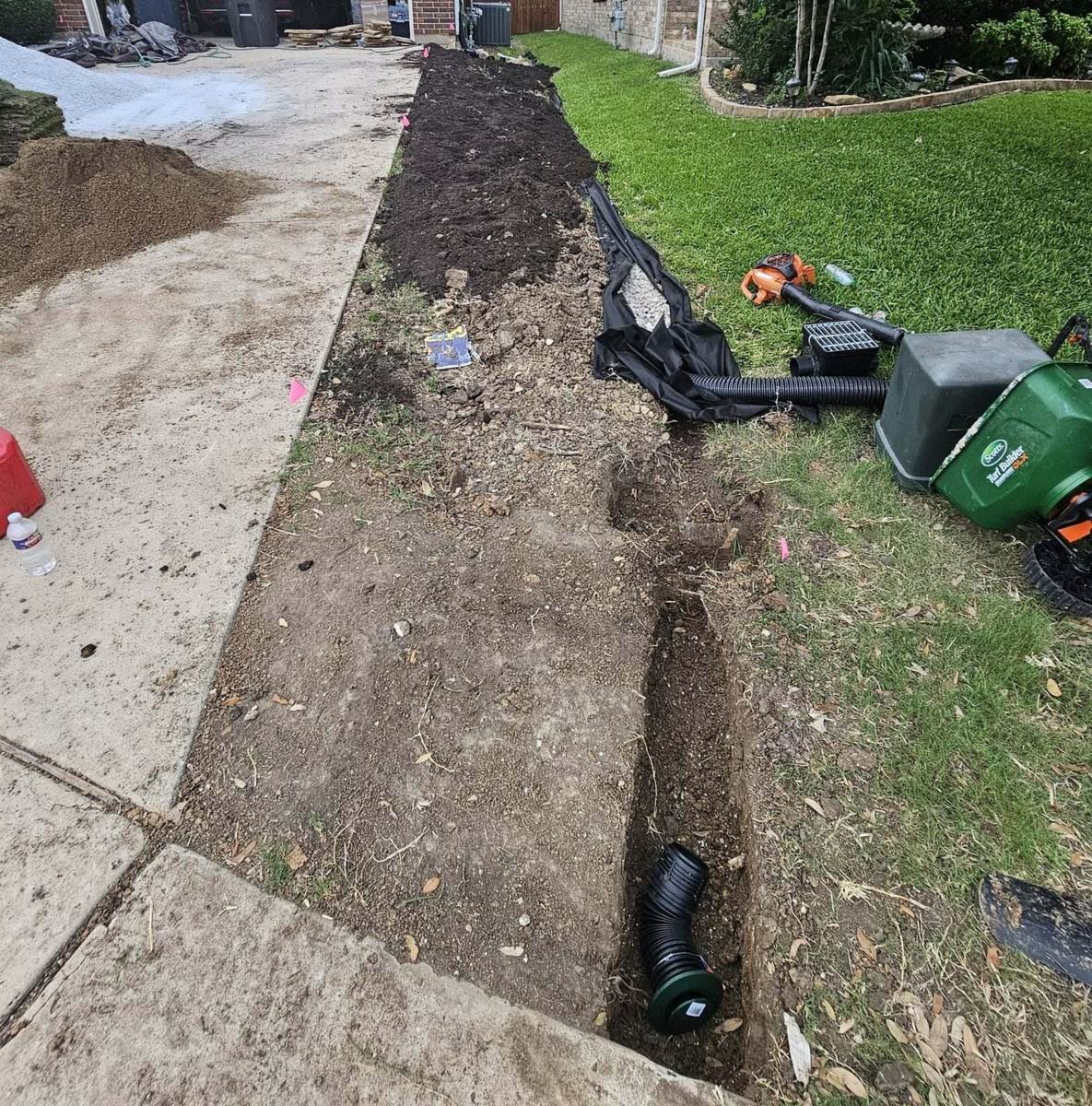
- Drainage correction — French drains, surface drains, regrading and gutter extensions. Published 2026 contractor averages ran roughly $5,276 in Dallas to $7,466 in Houston, though plenty of homes need far less than a full system.
Be careful with that last one. Drainage is often the right call, but a $7,000 drainage package quoted before anyone has identified where the water is actually coming from is a sales number, not a diagnosis. For what a drainage job that actually worked looks like, start to finish — trench, filter fabric, downspout tie-ins and the outlet at the curb — see our photographed French drain case study.
What Foundation Repair Costs by Texas Metro
| Metro | Typical range | What drives it |
|---|---|---|
| Dallas-Fort Worth | $3,300 – $15,000 | Highly expansive Blackland clay. Deeper piers and higher pier counts than most of the state. |
| Houston | $4,500 – $9,000 | Gumbo clay plus a high water table. Drainage work is far more often part of the scope. |
| Austin | $5,500 – $12,000 | Mixed geology. Homes on clay trend high; homes over limestone often need very little. |
| San Antonio | $3,000 – $9,000 | Transition zone from clay to caliche and rock, so conditions vary block to block. |
Treat these as orientation rather than gospel. Reported metro averages also reflect different job mixes — a market where companies quote more whole-perimeter jobs will show a higher average without being more expensive per pier.
Slab-on-Grade vs Pier and Beam
Most Texas homes built after roughly 1960 are slab-on-grade — a single concrete pad poured on the soil. Repair means driving piers around or under the perimeter to reach stable ground and transfer the load onto them. Range runs about $3,500 to $25,000 depending on pier count and whether any go through the interior.
Older homes, especially pre-1960 and in East Texas, are often pier and beam, with a crawl space between the ground and the floor. Repair usually means shimming or replacing interior supports, and sometimes sistering damaged beams. Typical range is $5,000 to $15,000.
Pier and beam has one real advantage: a crawl space gives access. Plumbing repairs, releveling and beam work are all far less invasive than cutting through a slab. The tradeoff is that crawl spaces bring their own moisture and rot problems, which is a different maintenance bill.
What Drives the Price Up or Down
- How many piers, and where. Interior piers cost considerably more than exterior ones. Crews have to remove flooring, saw the slab, and hand-excavate inside the house.
- Stabilizing versus lifting. Stopping further movement is cheaper than lifting a settled slab back toward level. Lifting also carries more risk of cracking finishes as the house moves.
- Under-slab plumbing. If lines are leaking or break during a lift, you are into testing, tunneling and pipe replacement. This is one of the biggest sources of an estimate doubling mid-job.
- Access. Pools, patios, mature landscaping, narrow side yards and utility lines all limit equipment and push labor up.
- Depth to stable soil. Deep clay means longer pier assemblies and more material per pier.
- Engineering requirements. Some municipalities and most lenders want a stamped engineer’s plan and a post-repair letter.
What the Quote Usually Leaves Out
This is where Texas homeowners get surprised. The pier price is real, but it is rarely the whole cost of getting your house back to normal.
- Independent engineer’s report — typically $500 to $1,500, and almost always worth it when bids disagree on scope.
- Permits — requirements vary by city and are often not in the base quote.
- Plumbing testing before and after — a static test before work starts protects you; a test afterward catches lines broken by the lift.
- Interior finishes — most quotes cover patching the concrete, not replacing the flooring that had to come up.
- Drywall, paint and door adjustment — lifting a house moves everything attached to it. Cosmetic repair is usually yours.
- Landscaping and irrigation — excavation tears up beds, sprinkler lines and sod along the work side.
- Brick and mortar repair — repointing stair-step cracks after the lift is separate masonry work.
Ask every bidder, in writing, which of these are included. The cheapest pier price frequently belongs to the quote that excludes the most.
Does Homeowners Insurance Cover Foundation Repair in Texas?
Usually not. The Texas Department of Insurance is clear that ordinary settlement and soil movement are generally excluded from standard homeowners policies. Clay shrinking in a drought is exactly the kind of gradual, expected movement insurers write out.
Coverage turns on whether the damage came from a specific covered event. A sudden and accidental water discharge — a supply line that bursts — is treated very differently from a slow under-slab leak that ran for two years, poor drainage, drought or flooding.
If you think you may have a claim, call your carrier and get the coverage decision in writing before work begins. Do not rely on a contractor telling you insurance will cover it. That is a sales line, not an adjuster’s determination.
Insurance usually does not cover soil movement in Texas
Ordinary settlement and expansive clay shrinking in a drought are generally excluded from standard homeowners policies. A contractor saying “insurance will cover it” is a sales line — get the coverage decision in writing from your carrier before work starts.
Warranties: What “Lifetime” Actually Means
Nearly every Texas foundation company advertises a lifetime warranty. The word does a lot of work in that sentence, and the drawing attached to the warranty often matters more than the title on it.
- It usually covers the piers they installed, not your house. If the untouched side settles next year, that is a new job at full price.
- Transfer terms. Many warranties transfer to a buyer only once, only within a set window, and only for a fee. If you may sell, this is worth reading closely.
- Exclusions. Drainage, plumbing leaks, tree roots, drought and flooding are commonly excluded — which covers most of what actually causes movement in Texas.
- Service call fees. “Free adjustments” sometimes carry a trip charge each visit.
- Cosmetic damage is out. Cracked drywall and tile from a warranty adjustment is your bill.
Ask for the actual warranty document before you sign, not the brochure. And confirm the pier locations on the attached drawing match what you are being told is covered.
Warning Signs Worth Getting Checked
- Doors and windows that stick, or that suddenly latch differently than they used to
- Stair-step cracks in exterior brick, especially near corners and above windows
- Interior cracks running diagonally from door and window corners
- Gaps opening between walls and ceilings, or crown molding pulling away
- Floors that slope noticeably — a marble or a golf ball rolling on its own is the classic test
- Cracks wider than about a quarter inch, or any crack that is visibly growing
- Gaps around exterior door frames, or a garage door that no longer seals evenly
Hairline cracks in a slab are normal, especially in the first couple of years while concrete cures. What matters is movement that is progressing. Take a photo with a ruler or coin next to the crack and re-shoot it in three months. If it is not changing, you likely have time.
Comparing pier quotes? Scope first, price second
If one company says eight piers and another says twenty-six, that gap is your signal to pay for an independent engineer before choosing. Use our bid guide to line up what’s included (plumbing tests, finishes, warranty drawing) side by side.
Questions to Ask a Foundation Company
- How many piers, at what spacing, and exactly where? Get it marked on a drawing.
- Are you stabilizing or lifting? If lifting, how much movement are you targeting?
- Is a static plumbing test included before and after the work?
- What is not included — flooring, drywall, paint, landscaping, masonry?
- Who pulls the permit, and is an engineer’s letter provided at the end?
- Is the warranty transferable, at what cost, and what specifically does it exclude?
- Can I see the actual warranty document, not the brochure?
- How long will the crew be on site, and will the house be livable?
Get three bids and compare scope, not just the bottom line. If one company says eight piers and another says twenty-six, that gap is your signal to pay for an independent engineer before choosing.
Frequently Asked Questions
How long does foundation repair take?
Most Texas pier jobs run two to four days on site. Larger jobs with interior piers or plumbing tunneling can take one to two weeks. The house is normally livable throughout unless interior work is extensive.
Will foundation repair fix my cracked walls?
No. Piers stabilize or lift the structure. Cracked drywall, tile and brick are cosmetic repairs that happen after, and they are usually a separate trade and a separate bill.
Does foundation repair hurt resale value?
Repaired and documented is far better than unrepaired. Keep the engineer’s letter, the pier drawing and the transferable warranty together — buyers and their lenders will ask, and having the paperwork ready is what keeps the conversation from becoming a price negotiation.
Can I just wait and see?
Sometimes, yes. Hairline cracks that are not progressing can be monitored. But movement that is actively getting worse gets more expensive, because a slab that keeps dropping eventually breaks plumbing lines under it — and that turns a pier job into a pier job plus tunneling.
Is a soaker hose really worth it?
In a Texas drought, yes. Keeping perimeter soil moisture consistent is genuinely preventive and costs very little. The goal is steady moisture, not saturation — run it on a timer for short periods rather than flooding one area.
Not sure whether you need monitoring, a targeted pier job, or major/full-perimeter work? Use the decision framework on Texas foundation repair vs replace (2026) — clay vs cosmetic cues, when a “repair” quote is a bandaid, and what a good quote must include. When you are ready for dollar ranges (and to compare foundation quotes), stay on this cost guide.
Get Quotes Before You Commit
Get an independent engineer’s report first, then take that same report to more than one foundation company. It is the only way to compare bids on identical scope.
Compare foundation quotes on Angi →
Ultimate Home Fix may earn a commission if you request quotes through this link. It costs you nothing and does not change what a contractor charges.
Where these numbers come from, and what they are not
Written by Jimmy Hall, a Texas homeowner — not a contractor, plumber, electrician or adjuster. Why that matters.
Every price on this page is a range, not a quote. What you actually pay moves with your metro, the size and access of the job, the season, and how much existing work has to come out before the new work goes in. Treat these as the band a fair bid should land in, and use the calculator above to put your own numbers against it.
Anything here about Texas law, building code or insurance is cited to a primary source — the statute itself, the Texas Administrative Code rule, the agency that adopted it, or the city’s own permit documents. Not to another blog. Where sources genuinely conflict and no authority settles the question, this site says so plainly rather than picking one and sounding certain.
Reviewed September 2026. Texas changes on a fixed schedule — building codes and new laws take effect on September 1, and tax credits change with the calendar year — so these pages are re-checked at least twice a year, and sooner when something we track moves. How we research prices and rules.
How this site makes money. Some outbound links are affiliate links and we may earn a commission if you use one. That has no bearing on the figures above, and nothing here is a paid placement. We do not sell repairs, we do not sell your details to contractors, and there is no lead form on this page.
Think something here is wrong? Tell us — especially if you do this work for a living. A correction that comes with a source gets made.
Related Guides
Foundation movement in Texas shows up in several other places on the property. If you are dealing with one of these, you are usually dealing with all of them:
- Texas foundation repair vs replace (2026) — clay/cosmetic cues, bandaid quotes vs major work, what good quotes include
- Gutter installation cost — the cheapest foundation protection available. Concentrated roof runoff at the slab edge is the single most fixable cause of the movement described above
- Driveway and concrete repair cost — the same clay moves your flatwork, and a driveway sitting higher than the garage slab is a classic early warning sign
- Plumbing repipe and slab leak cost — soil movement stresses the water lines under the slab, and a slab leak then feeds more water into the soil
- Window replacement cost — sticking windows and cracks running from the corners of openings are a foundation symptom. Replace the glass after you have addressed the movement, not before
- Fence installation cost — a leaning fence is the same soil behavior acting on a much smaller object
- Texas Foundation Pier Types and Quote Gaps — pressed concrete, steel and helical piers, and what a thin quote leaves out
The Bottom Line
Budget $4,500 to $9,000 for a typical Texas pier job, and understand that the number is driven by pier count and access more than anything else. Get three bids, insist on written scope, pay for an independent engineer if the bids disagree, and get any insurance answer in writing before work starts.
And fix the water. Piers stop the movement you already have. Drainage, gutters, trees and watering are what decide whether you are back here in five years.
Next steps that protect your wallet
- If bids disagree on pier count, pay for an independent engineer’s report first — then take that same report to every company.
- Get at least 3 written quotes with pier locations on a drawing, and ask what’s excluded (flooring, drywall, landscaping, masonry).
- Ask the hard warranty questions: what does “lifetime” actually cover, is it transferable, and what moisture/drainage exclusions apply?
- Fix the water: gutters, grading, trees, and consistent perimeter moisture — piers stop today’s movement; drainage decides whether you’re back in five years.
Owned tools and guides here aren’t a contractor lead marketplace — when you want comparable written quotes, use the Angi compare path on this page (affiliate). More orientation: Start Here · Cost Guides.
Recommended Product
Small hairline cracks in a foundation wall can often be sealed yourself before they turn into a bigger, more expensive repair. RadonSeal Complete DIY Foundation Crack Repair Kit on Amazon →
As an Amazon Associate, we earn from qualifying purchases.